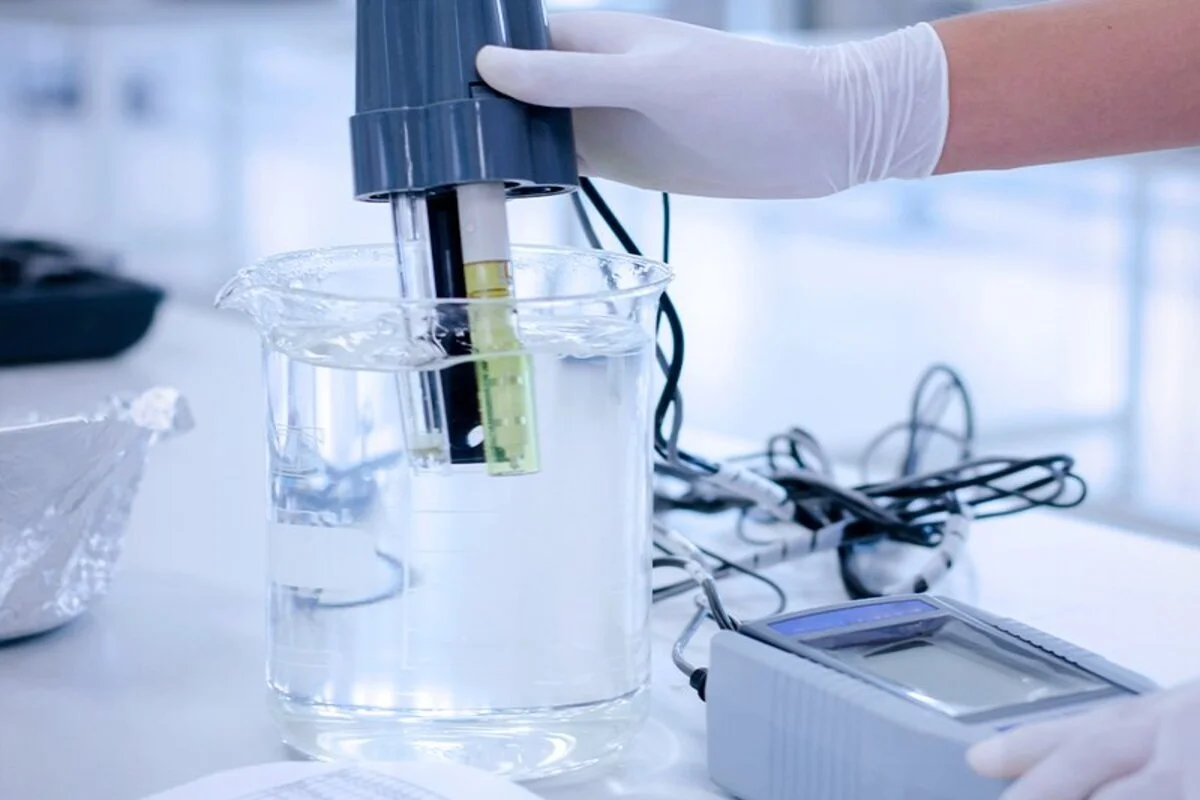
How Turbidity Meters Work: Everything You Need to Know
Water clarity is an important indicator of overall water quality, and one of the most reliable ways to measure it is by using a turbidity meter. These instruments are designed to detect the amount of suspended particles in water and provide accurate readings that help professionals understand whether water is clean, treated properly, and safe for use.
Turbidity meters are widely used in drinking water treatment plants, laboratories, environmental monitoring, industries, and even for routine water testing. But how exactly do they work?
This guide explains the science behind turbidity meters, how they measure water clarity, the different types available, and why they are essential for water quality testing.
What Is a Turbidity Meter?
A turbidity meter is a scientific instrument that measures the cloudiness of water caused by suspended particles. These particles may include sediment, organic materials, microorganisms, minerals, or other tiny substances floating in the water.
Instead of measuring a specific contaminant, a turbidity meter measures how particles affect the way light moves through a water sample.
The result is usually displayed in Nephelometric Turbidity Units (NTU). A lower NTU reading means the water contains fewer suspended particles, while a higher NTU value indicates greater cloudiness.
For more background on turbidity itself, you can read this overview of what turbidity means.
The Basic Principle Behind Turbidity Meters
Turbidity meters work based on the principle of light scattering.
When a beam of light passes through clear water, most of the light travels directly through the sample. However, when suspended particles are present, they scatter the light in different directions.
A turbidity meter detects this scattered light and calculates the amount of particles present.
The basic process involves:
- A light source sends a beam into the water sample
- Suspended particles scatter the light
- A detector measures the scattered light
- The instrument converts the measurement into a turbidity value
The more particles in the water, the more light is scattered, resulting in a higher turbidity reading.
How Nephelometric Turbidity Measurement Works
Most modern turbidity meters use a method called nephelometry.
In nephelometric testing, the instrument measures light scattered at a 90-degree angle from the original light beam. This angle provides reliable results because it focuses on the light redirected by particles rather than the light passing directly through the sample.
The measurement is then converted into NTU, which is the standard unit used for reporting turbidity levels.
Main Components of a Turbidity Meter
A turbidity meter contains several important components that work together to produce accurate readings.
Light Source
The light source creates the beam that passes through the water sample. Many instruments use LED lights because they provide stable and consistent illumination.
Detector
The detector measures the amount of scattered light produced by particles in the sample.
Sample Chamber
The sample chamber holds the water container during testing. Proper cleaning is important because contamination inside the chamber can affect results.
Display and Control System
The meter processes the measurement and displays the turbidity value, usually in NTU.
Types of Turbidity Meters
Different applications require different types of turbidity measurement equipment.
Portable Turbidity Meters
Portable meters are compact devices used for field testing. They are commonly used by environmental professionals, water inspectors, and researchers who need measurements outside a laboratory.
Advantages include:
- Easy transportation
- Quick testing
- Battery operation
- Real-time results
Laboratory Turbidity Meters
Laboratory instruments are designed for highly accurate testing. They often include advanced calibration features and better sensitivity for detailed analysis.
These meters are commonly used for regulatory testing and research.
Online Turbidity Sensors
Online turbidity meters continuously monitor water quality in systems such as treatment plants and industrial facilities.
They provide ongoing data and allow operators to detect sudden changes quickly.
Why Are Turbidity Meters Important?
Turbidity meters are important because they help identify changes in water quality before problems become serious.
They are used to:
- Monitor drinking water safety
- Check filtration performance
- Detect contamination risks
- Improve treatment processes
- Track environmental changes
Water treatment facilities depend on turbidity measurements to ensure their filtration systems are working correctly.
The United States Environmental Protection Agency recognizes turbidity monitoring as an important part of drinking water management because high turbidity can interfere with effective disinfection.
How Turbidity Meters Are Used in Water Treatment
In water treatment facilities, turbidity meters are used throughout different stages of the treatment process.
Before Treatment
Raw water sources may contain high levels of sediment, organic matter, or other particles. Measuring turbidity helps operators understand the condition of incoming water.
During Treatment
Operators monitor turbidity to determine whether filtration and clarification systems are removing particles effectively.
After Treatment
Final turbidity measurements confirm that treated water meets quality requirements before distribution.
Factors That Can Affect Turbidity Meter Accuracy
Although turbidity meters are highly reliable, several factors can influence results.
Common issues include:
Dirty Sample Containers
Residue, fingerprints, or scratches on sample containers can scatter light and create inaccurate readings.
Air Bubbles
Small air bubbles can interfere with light measurement and cause incorrect turbidity values.
Poor Calibration
Meters should be calibrated regularly using proper standards to maintain accuracy.
Improper Sampling
A sample that does not represent the actual water source may produce misleading results.
Following correct testing procedures helps ensure reliable measurements.
How to Properly Use a Turbidity Meter
For accurate results, follow these general steps:
- Clean the sample container
- Collect a representative water sample
- Remove visible air bubbles
- Place the sample into the meter
- Allow the instrument to measure
- Record the NTU reading
Regular maintenance and calibration are essential for long-term performance.
Turbidity Meters and Drinking Water Safety
One of the most important applications of turbidity meters is drinking water monitoring.
Clear-looking water does not always guarantee safety, but increased turbidity can indicate that something has changed within the water system.
High turbidity may:
- Reduce disinfection effectiveness
- Hide microorganisms
- Indicate treatment problems
- Signal contamination sources
This is why water professionals monitor turbidity along with other quality indicators.
Turbidity Testing in Different Industries
Turbidity meters are used beyond drinking water applications.
Industries that rely on turbidity testing include:
- Food and beverage production
- Pharmaceutical manufacturing
- Wastewater treatment
- Environmental research
- Aquaculture
Each industry uses turbidity measurements to maintain quality standards and improve processes.
Maintaining a Turbidity Meter
Proper maintenance extends the life of a turbidity meter and improves accuracy.
Recommended maintenance practices include:
- Cleaning optical surfaces
- Checking calibration regularly
- Storing the instrument correctly
- Replacing damaged components
- Following manufacturer guidelines
Reliable equipment produces more dependable water quality data.
Final Thoughts
Turbidity meters are essential tools for understanding water quality. By measuring how suspended particles affect light, these instruments provide valuable information about water clarity and treatment performance.
From portable field devices to advanced monitoring systems, turbidity meters help protect water supplies, support environmental studies, and improve industrial processes.
Understanding how these instruments work makes it easier to appreciate the role turbidity testing plays in maintaining safe and reliable water.
For more information, guides, and answers to common questions about turbidity, explore these helpful resources.